 Sport Break News
Arteta's 'storage of images' defence fuels fresh Arsenal conspiracy debate
Mikel Arteta says he is logging rival managers leaving their technical area after his second booking of the season — and a Guardian column by Jonathan Wilson questions whether it is paranoia or tactics.
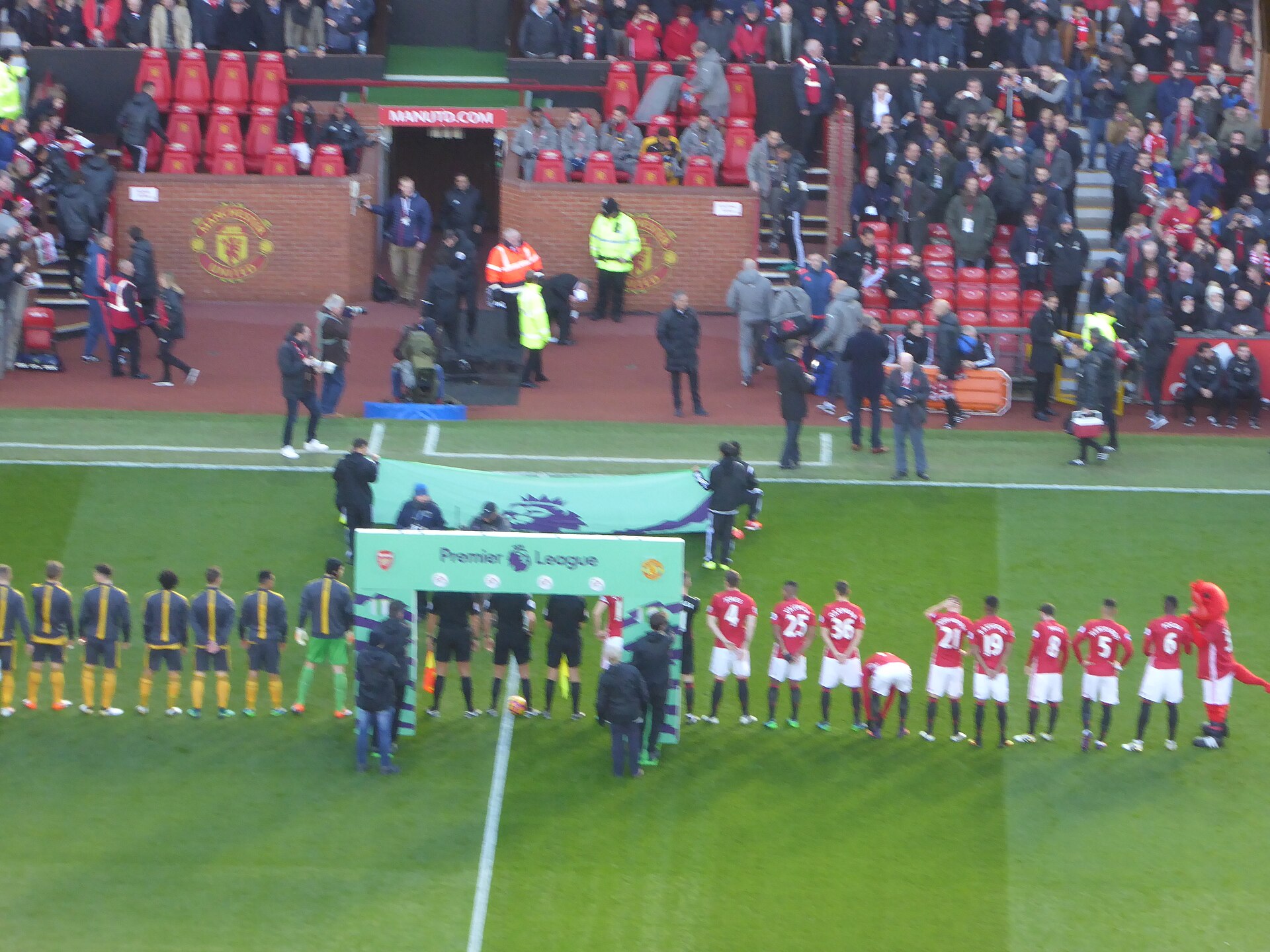
Mikel Arteta has confirmed he is compiling what he called “a massive storage of images” of opposition managers straying from their technical area, after picking up his second yellow card of the season for the same offence during Arsenal's 2-0 win over Everton last Saturday.
According to the former referee Graham Scott, cited in a Guardian column by Jonathan Wilson, Arteta left his technical area 44 times before that booking was shown.
Arteta argued he is far from the worst offender in the division. "There are managers who have the record in the league, 36 times in 10 minutes [they] leave the touchline – no yellows," he said, adding: "I am clipping all of that … so if somebody comes to me I can say: 'I am not in the record yet.' Somebody else has the record so let's see. Then it's 36 yellow cards in 10 minutes for the managers."
Wilson's column sets out two readings of the episode. One is that Arteta is simply a meticulous rule-keeper irritated by an inconsistency he believes exists across the Premier League. The other, floated by Wilson, is that the Arsenal manager is deliberately cultivating a sense of grievance among supporters — a siege mentality built on the idea that officials and rivals are working against the club.
Wilson's piece links this to wider flashpoints cited by Arsenal fans online, including the view that Declan Rice was fortunate to avoid punishment for a challenge on Malick Yalcouyé against Brighton, and questions over why Cole Palmer was not sent off for a reaction against Mateus Fernandes during Chelsea's defeat by Tottenham. The column treats both as disputed talking points rather than settled facts, noting Max Dowman's dismissal for a knee aimed at Harrison Neal — a red card Arteta himself reportedly looked unhappy about — as a different category of offence to Palmer's.
Wilson places Arteta's approach in a longer tradition of pre-match mind games. He recalls Wolves manager Major Frank Buckley's claim before the 1939 FA Cup final that his players had received "animal secretions" linked to a contemporary anti-ageing treatment using monkey gland tissue — a stunt Wilson says almost certainly amounted to nothing stronger than vitamins, and one that did not stop Portsmouth beating Wolves 4-1 despite finishing well below them in the table.
The column also cites Inter manager Helenio Herrera's distribution of 100,000 leaflets before the second leg of the 1965 European Cup semi-final against Liverpool, alleging Liverpool fans had mocked Italians during the first leg at Anfield. Inter won the return 3-0 to go through 4-3 on aggregate, in a match Wilson says was played amid a hostile San Siro atmosphere that may have influenced refereeing decisions.
Wilson writes that Alex Ferguson was adept at this kind of psychological pressure, while José Mourinho was open about using post-match press conferences to set the tone for the next fixture, sometimes stretching the bounds of what Wilson calls professional decency.
By that measure, the column concludes, Arteta has not reached the level of Ferguson or Mourinho, but warns that if the dossier approach is a calculated strategy rather than simple frustration, it carries risks for how Arsenal and their manager are perceived.
Photo credits
File photo (2016). Photo: Ardfern · CC BY-SA 4.0 · via Wikimedia Commons · shown in full here; cropped in thumbnails
