 Sport Break News
Follow-on shame: Australia's batting implodes as South Africa seize control in Gqeberha
Bowled out for 99 and forced to follow on for the first time away from home since 2005, Australia now face defeat in the second Test as careers hang in the balance.
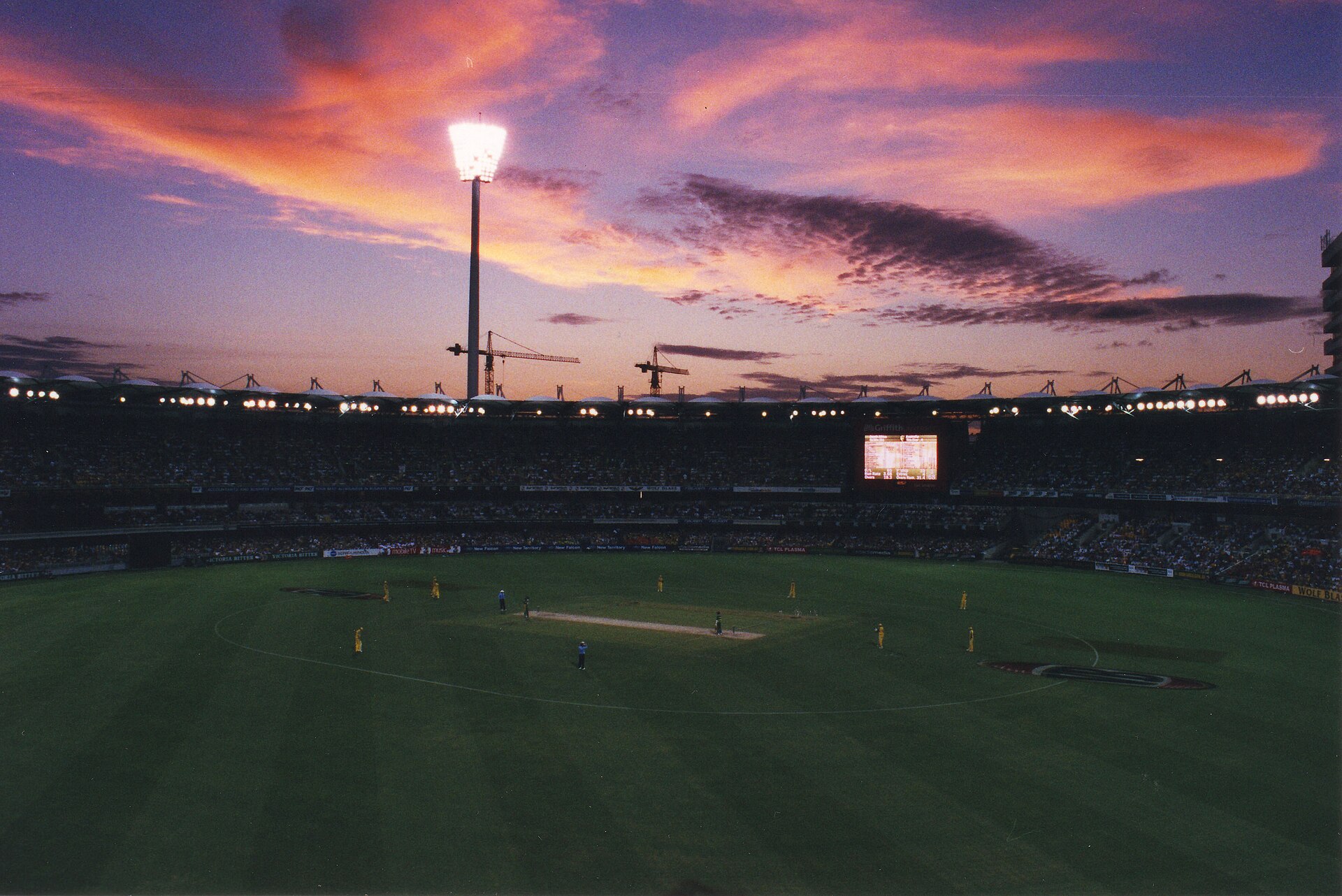
Australia were skittled for 99 in their first innings of the second Test against South Africa in Gqeberha, forcing them to follow on for only the third time in 38 years and leaving them staring at defeat heading into the final day.
It is the first time since the 2005 Ashes Test at Trent Bridge that Australia have had to follow on away from home, and the collapse handed South Africa their largest first-innings lead over the tourists since 1984, according to BBC Sport.
South Africa had declared on 425-9, built around Temba Bavuma's 179 and Marco Jansen's 85, with Scott Boland taking 5-81. Jansen then ripped through Australia's reply with 5-33, removing Matt Renshaw, Alex Carey and Beau Webster in a middle-order collapse in which all three were caught between the wicketkeeper and gully.
Sent back in, Australia had reached 156-4 by the close of day four, still 170 runs adrift, with Travis Head unbeaten on 87 after being put down on five by Jansen at gully.
Former Australia opener Simon Katich, who top-scored for his country in that 2005 Trent Bridge Test, told SEN Radio: "There are a number of players playing for their careers in this innings."
Marnus Labuschagne looks the most exposed. He edged Anrich Nortje to third slip for 14 in the first innings, then survived an lbw review by three runs in the second only to hole out to long-on off spinner Simon Harmer for 39 after tea. It was his third dismissal in the thirties this series and leaves him without a Test century in 47 innings.
Katich questioned the shot selection, saying only Labuschagne knew what he was thinking attempting to go down the ground into the breeze when Australia were trying to bat for a draw, before adding: "He's been given plenty of rope over the past few years, when plenty of others haven't, but he has."
Head coach Andrew McDonald said he was "disappointed" with the dismissal. "For me, the option is there if the ball is the right area. It is a strength of this, but in that scenario there probably are some shots that players would take back," he said, adding that Labuschagne's repeated failures in the thirties had become "a danger period for him".
Opener Nic Maddinson, recalled at 34, fell cheaply in both innings of this Test, extending a lean run that already included scores of eight and 48 since his return, as Sam Konstas — once viewed as Australia's next opener — made an unbeaten 151 for New South Wales back home.
Webster became the day's 13th wicket when he was trapped lbw by Harmer in the final 20 minutes, adding to concerns over a player who averages 34.13 with the bat and 28.75 with the ball across 11 completed Tests but has now gone seven innings without a half-century since the Ashes.
Steve Smith's entrance into the second innings was delayed after he received treatment for a neck issue; he had survived 88 balls for 28 runs in the first innings, longer than any other Australian batter.
McDonald conceded his side were far from the finished article with the bat. "We've had some of these moments across the journey," he said, adding that the Gqeberha pitch had offered some bounce but little else in the bowlers' favour. "You do have to give some credit to the South Africans, they exposed some of our deficiencies, but there was some batter error there. I think we are better than that but as we sit here now, I can't defend that."
Australia go into the final day 1-0 up in the series but needing a rearguard to avoid defeat, with the third Test due to start in Cape Town on 27 October.
Photo credits
File photo (2006). Photo: Talisen · CC BY 2.0 · via Wikimedia Commons
