 Sport Break News
Cricket Australia's Sandpaper Silence Keeps a Buried Scandal Alive
Eight years on from the Cape Town ball-tampering affair, Cricket Australia's vague talk of "learnings" is doing more to keep the saga burning than any new book ever could, Guardian Sport analysis suggests.
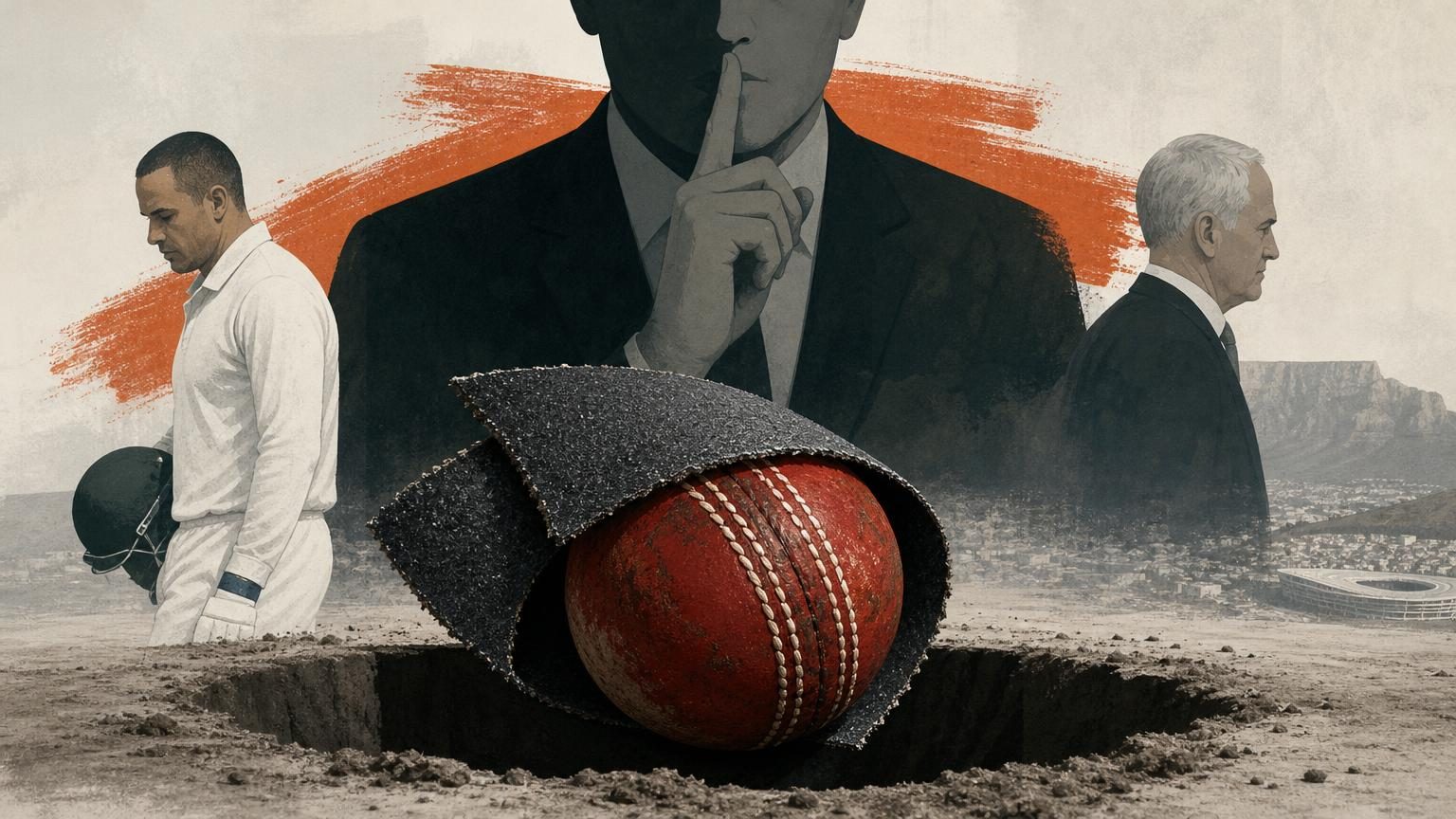
The 2018 Cape Town ball-tampering scandal provoked a national reckoning in Australia disproportionate to the offence itself, according to analysis published by Guardian Sport.
At the time, then prime minister Malcolm Turnbull, appearing alongside Angus Taylor, branded the affair a "terrible disgrace" and demanded Australian cricket again be played by "champions that everybody can look up to", the piece recalls.
What followed was a 116-page document from the Ethics Centre using what was called the "Everest Process" to measure Cricket Australia against its own values, with findings rated as "mostly not lived", "sometimes lived" or "always lived", the analysis notes.
Pat Cummins's appointment as captain is credited in the piece with resetting the culture of the side. Writing in The Australian, Peter Lalor is quoted describing the rebuilt team as one with "no sledging, no arguing, no anger, no love gone wrong, no dust ups, no bust ups".
Yet the scandal never fully receded. Before this year's tour of South Africa, Mitchell Starc is quoted asking, "What's left to come out after eight years?" The answer, the analysis argues, has turned out to be plenty.
Books from both Usman Khawaja and David Warner have reopened the episode. Warner, according to the piece, posted his reflections from Nepal while playing for the Kathmandu Gorkhas, while Khawaja has faced criticism from a columnist accusing him of using his story to raise issues of race, religion and victimhood.
The Guardian Sport analysis is careful to note that the Cape Town chapter of Khawaja's book is less incendiary than much of the commentary around it has suggested, with the more revealing material said to lie elsewhere.
The original 2018 press conference at which the tampering was first addressed is described in the piece as "a shambling, fudging, lying shambles", with the subsequent investigation judged "wholly unsatisfactory".
That unresolved history has resurfaced through Cricket Australia chief executive Todd Greenberg's recent comments on SEN, where he put the episode down to a changed era, with new personnel now running a different team altogether. Greenberg is quoted saying, "There were a lot of learnings that came out of it."
The analysis draws a direct line between that phrasing and an earlier remark from former CA boss James Sutherland, who once described the sport as "an issues-rich environment" — language the piece characterises as evasive corporate-speak that avoids genuine reckoning.
The central argument is that Khawaja's book represented an opportunity for those involved, and those who inherited the fallout, to clarify where individual knowledge ended and collective responsibility began, rather than retreating into vague statements.
Unlike in 2018, the analysis contends, such candour today would not destroy careers or trigger a fresh national crisis. Instead, Cricket Australia's continued equivocation is said to be achieving the opposite of its intended effect, ensuring the story resurfaces with every new press conference, social media post or book rather than allowing it to finally close.