 Sport Break News
ECB braces for up to £50m loss in 2027 despite Ashes bonanza
County executives have been warned the game's governing body could post a deficit of as much as £50m next year, even with Australia touring for the Ashes, according to an exclusive report by Guardian Sport.
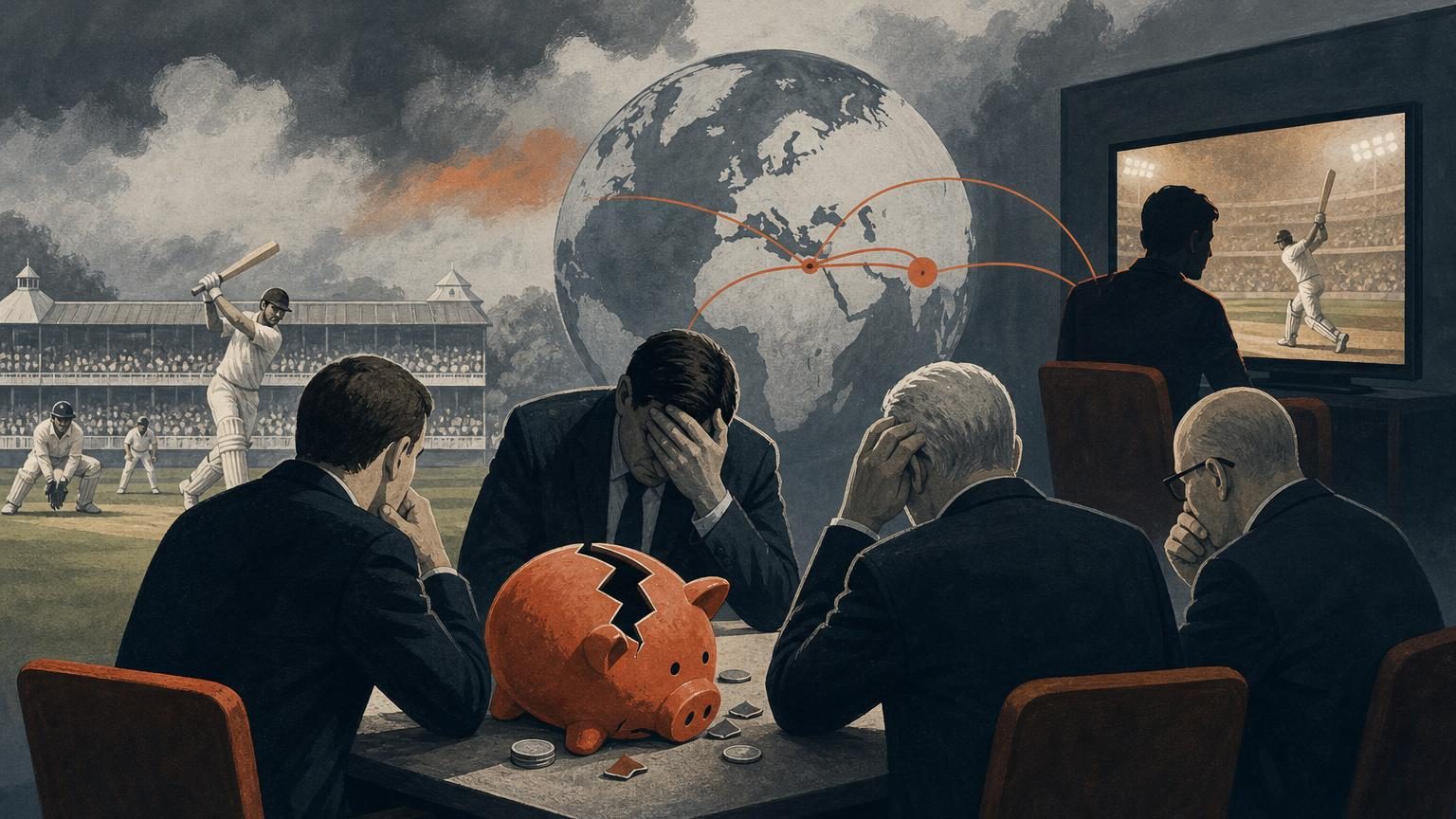
The England and Wales Cricket Board has told county executives it could record losses of up to £50m in 2027, a stark reversal from the £12.6m profit posted in 2025, according to an exclusive report by Guardian Sport.
Two separate pressures are driving the gap: the ECB's broadcast income naturally swings with which country tours England each summer, and the International Cricket Council has now decided to withhold part of the broadcast payment it would normally distribute to members in 2027.
The ICC's move is linked to its own worries about the next Indian television deal. Disney Star paid $3bn for rights to India's matches from 2023 to 2027, but after merging with Reliance Industries and Viacom18 in 2024 it tried to walk away from the contract, fuelling expectations that the next cycle will fetch far less once that competition has left the market. Rather than hand members an inflated final-year payment timed to the men's 50-over World Cup, the ICC is holding money back to soften the blow when the smaller deal lands in 2028.
The ECB faces an almost identical problem closer to home. Its own six-year, $250m deal with Sony Pictures for Indian rights expires in 2028, and executives already expect its replacement to be considerably smaller.
That dependence on Indian broadcasters explains why the ECB's finances swing so sharply between years. The 2025 profit was built on a five-Test series against India that summer, and this year's white-ball fixtures against India are expected to keep the 2026 accounts in the black. Australia is a different proposition commercially: Channel 9's deal for its 2027 and 2031 tours is worth only $27.5m to the ECB, a fraction of what India generates, even though Ashes series are reliably the biggest draw for home crowds.
That pattern has not always meant losses in Ashes years before. The ECB made £15m in 2019 and £23m in 2023, the previous two years Australia toured, and is expecting record ticket sales for next summer's series. But the board keeps only around 30% of gate receipts, with host venues retaining the rest, which limits how much a sell-out Ashes can offset the broadcast shortfall.
The ECB flagged a coming "significant loss" for 2027 as far back as its 2025 accounts published in May, attributing it then to the absence of home India fixtures that year. Guardian Sport's reporting shows the projected figure has since grown well beyond that initial estimate, unsettling county administrators who rely heavily on central funding.
Ten of the 18 first-class counties posted losses in their most recent accounts, and most depend on ECB money to keep operating. That reliance is one reason the scale of the 2027 forecast has rattled the county game, given any cut to central distributions would be felt immediately at club level.
ECB sources have privately acknowledged the projected shortfall but suggested it could still be trimmed to around £35m, Guardian Sport reported. The final figure from the ICC has not been confirmed, there is time to bring in additional commercial and event revenue, and the 2027 accounting period does not close until 31 January 2028. The ECB is said to be working with the ICC to limit the damage from the reduced distribution.
The underlying structural issue is that broadcast sales account for roughly 75% of the ECB's £310m annual revenue, leaving it exposed whenever a single market wobbles. Its domestic deal with Sky Sports runs out in 2028 and has not increased in value since 2019, adding to the uncertainty over future income.
Spending has risen sharply even as income has become less predictable. Central funding to the counties climbed 31% in the current cycle to £512m across 2025 to 2028, and the ECB is putting an extra £5m a year into women's cricket over the same period.
The board raised £520m from selling stakes in the eight Hundred franchises to private investors last year, but most of that sum sits in an escrow account earmarked for counties looking to clear debt or fund infrastructure, rather than being available to plug the 2027 gap. The ECB also holds cash reserves of about £60m, which it is trying to build up to £80m.