 Sport Break News
Sherrock's £501,000 Netflix darts win sparks row over ‘amateur’ billing
Fallon Sherrock's victory over Luke Littler on Netflix's Beat Luke Littler has drawn criticism after the show was marketed as a contest for amateur players, writes Guardian Sport's Jonathan Liew.
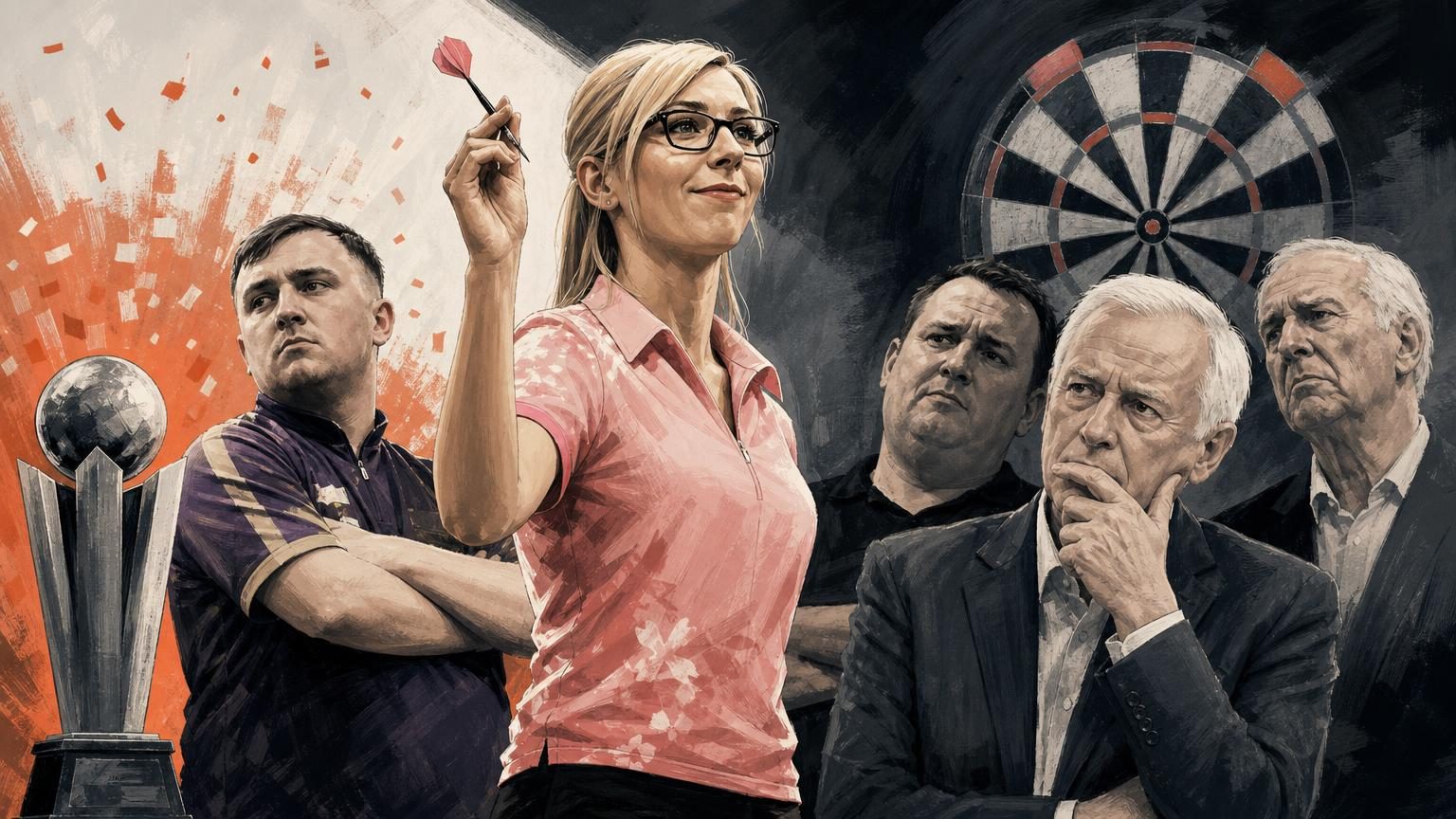
Fallon Sherrock has pocketed £501,000 after beating Luke Littler in the final of Netflix's Beat Luke Littler, a show promoted as pitting 20 amateur players against the world champion over a single leg of darts.
Presenter Gary Lineker summed up the result on air, declaring, according to the Guardian's Jonathan Liew: "She walked in here a hairdresser from Milton Keynes – and walks out £501,000 richer!"
That framing has drawn scrutiny, because Sherrock is far from a weekend hobbyist. Liew notes she has spent much of the past decade playing, practising, travelling for and promoting her darts career, and will appear at her 13th world championship next month, despite never holding a Professional Darts Corporation tour card.
Her run to the third round of the 2019 world championship at Alexandra Palace made her a household name in the sport, and Liew writes she may still be the second most recognisable darts player in Britain behind Littler himself.
She was not the only contestant with serious pedigree. Fifteen-year-old Mitchell Lawrie, also among the 20 players, is widely regarded as the best junior player in the world and, per Liew's reporting, capable of beating Littler over a longer format.
Both players applied, queued and were selected under the same process open to the public, raising the question of whether the show was a genuine open competition or a curated primetime spectacle dressed up as one.
Former world champion Mark Webster was among those to object to the casting. He said: "I don't think she should have been selected to play," while making clear, Liew reports, that he placed no blame on Sherrock for taking part.
Much of the criticism has landed on Netflix itself, for the way the contest was sold as a rags-to-riches opportunity for a no-name player to topple a champion, with promotional material filmed in a working men's club to reinforce that image.
Liew situates the row within a wider trend of blurred lines between amateur and professional sport, pointing to influencer boxing, the Baller League and six-figure Olympic bonuses as examples of a divide that has become increasingly porous.
He argues the term 'pub player' itself covers an enormous range of ability, from drinkers barely able to see their own dartboard to elite tour professionals such as Chris Dobey, Jonny Clayton and Stephen Bunting, who still turn out in local leagues when their schedules allow.
Darts, Liew suggests, remains one of the few sports where the idea of a stranger walking in off the street to beat a world champion still feels plausible to audiences, precisely because of that perceived accessibility, even though professionalisation has in reality widened the gap between top players and casual ones to something close to unbridgeable.
He draws a parallel with Fleetwood Town's recent League Cup win over Arsenal, noting that while it felt like an underdog triumph, it was still a contest between two sets of paid footballers rather than professionals against genuine amateurs.
The debate leaves Netflix facing continued questions over how it labels future instalments of the format, while Sherrock prepares for her latest world championship appearance next month.