 Sport Break News
Jaime Chapman's record-breaking hat-trick fires Jillaroos to fourth straight World Cup
Australia crushed New Zealand 34-10 in Brisbane as winger Jaime Chapman scored three first-half tries to break the individual World Cup try-scoring record.
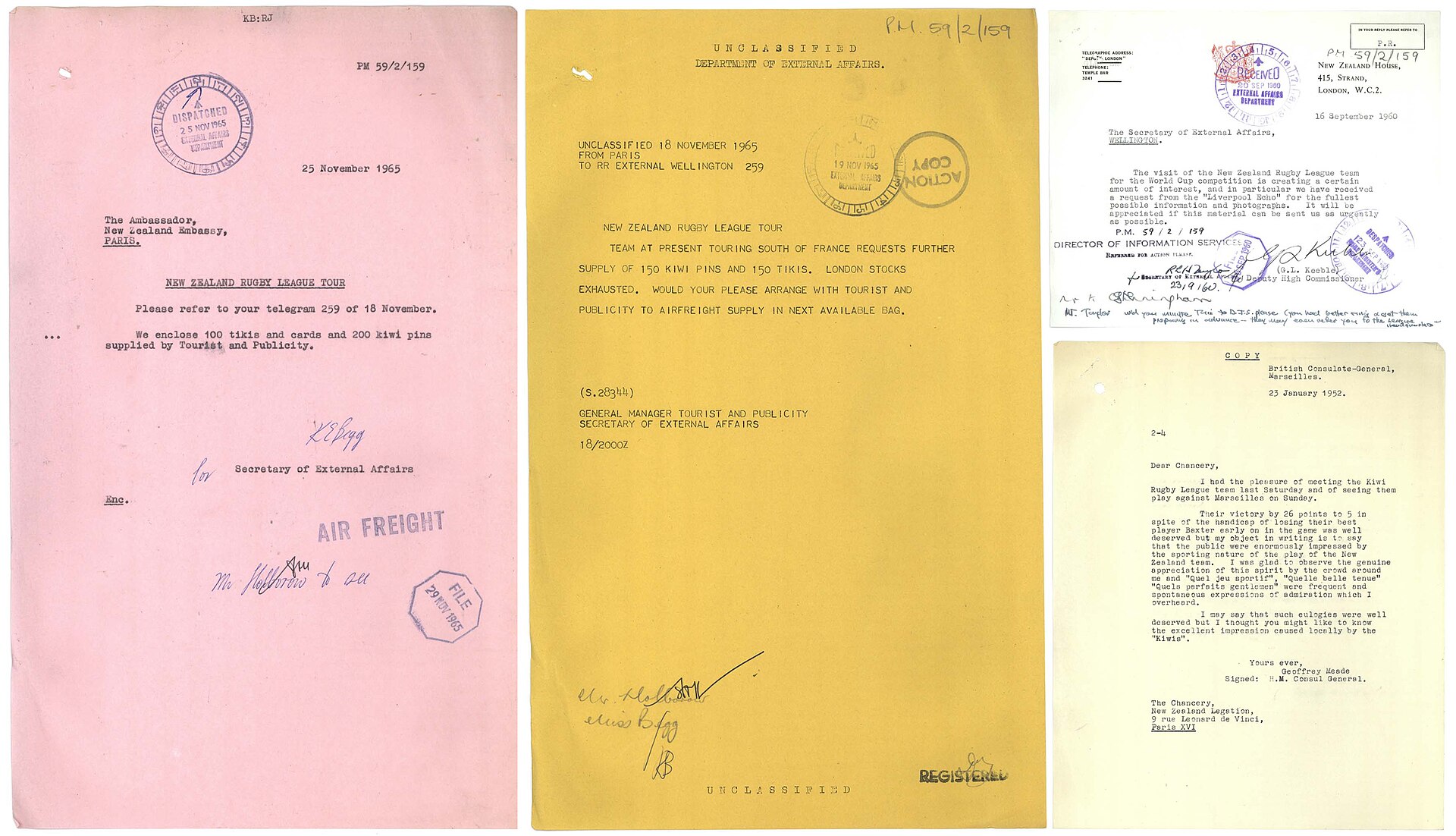
Australia's Jillaroos retained the Women's Rugby League World Cup with a 34-10 demolition of New Zealand at Suncorp Stadium, according to Guardian Sport, scoring six tries before half-time to seal a fourth consecutive title.
Winger Jaime Chapman was the standout performer, crossing three times in the first half to take her tournament tally to 13 tries, a new individual record for a World Cup. It was her 18th try in just 10 Tests for Australia.
New Zealand arrived at the final as underdogs, having not beaten Australia in three years, but came in full of confidence after thrashing Samoa 32-0 in the semi-final. Kiwi convert Stacey Waaka had also been named the tournament's best player, collecting the Golden Boot during the week.
Australia had won 13 of their previous 14 meetings with New Zealand but had stumbled the week before, trailing Fiji 8-0 before recovering to win 30-14 against the Bulikula. That result suggested a weakness the Kiwi Ferns hoped to exploit.
Jillaroos coach Jess Skinner added to the pre-match drama by dropping regular half Jocelyn Kelleher in favour of 21-year-old Jesse Southwell for the final, a call that left New Zealand sensing an opportunity.
Any hopes of an upset evaporated almost immediately. Australia led 12-0 after seven minutes and 24-0 by the 20-minute mark, before extending the lead to 34-6 by half-time.
Chapman's first try came in the second minute after New Zealand's Alexis Tauaneai spilled the ball, with the winger stepping, fending and powering through several defenders to score. Shaylee Bent then added a second Australian try with a sharp diagonal run.
Chapman's third try followed a loose ball from a Southwell pass that bounced off the turf before she swooped to collect it and finish in spectacular fashion. Moments later she was involved again, setting up Jessica Sergis for an 80-metre sprint to the line, a try that was allowed to stand despite a forward pass.
New Zealand coach Ricky Henry introduced Ashleigh Quinlan in search of impact, and the substitute combined with former Jillaroo Shannon Mato to produce New Zealand's first try. But Australia responded immediately, with Chapman again scooping up a loose ball and running 70 metres unopposed.
The Jillaroos added a further try before the break, Tarryn Aiken creating an overlap that ended with Tamika Upton scoring after a passing move involving Abbi Church, taking the half-time score to 34-6.
The second half was comparatively quiet, with both sides affected by errors and the Brisbane heat as the scoreline settled at 34-10.
The result extends Australia's dominance of the women's game, securing a fourth straight World Cup title, while New Zealand's wait for a final win over their trans-Tasman rivals stretches back to 2008, the last time the Kiwi Ferns lifted the trophy at the same Brisbane venue.
Photo credits
File photo (1951). Photo: Archives New Zealand from New Zealand · CC BY-SA 2.0 · via Wikimedia Commons · shown in full here; cropped in thumbnails
