 Sport Break News
LIV Golf Heads for Liquidation as Saudi Funding Dries Up
Analysis from Guardian Sport's Jonathan Liew argues LIV Golf's slide towards liquidation, after Saudi Arabia withdrew funding, lays bare how central money has always been to the breakaway project and to golf itself.
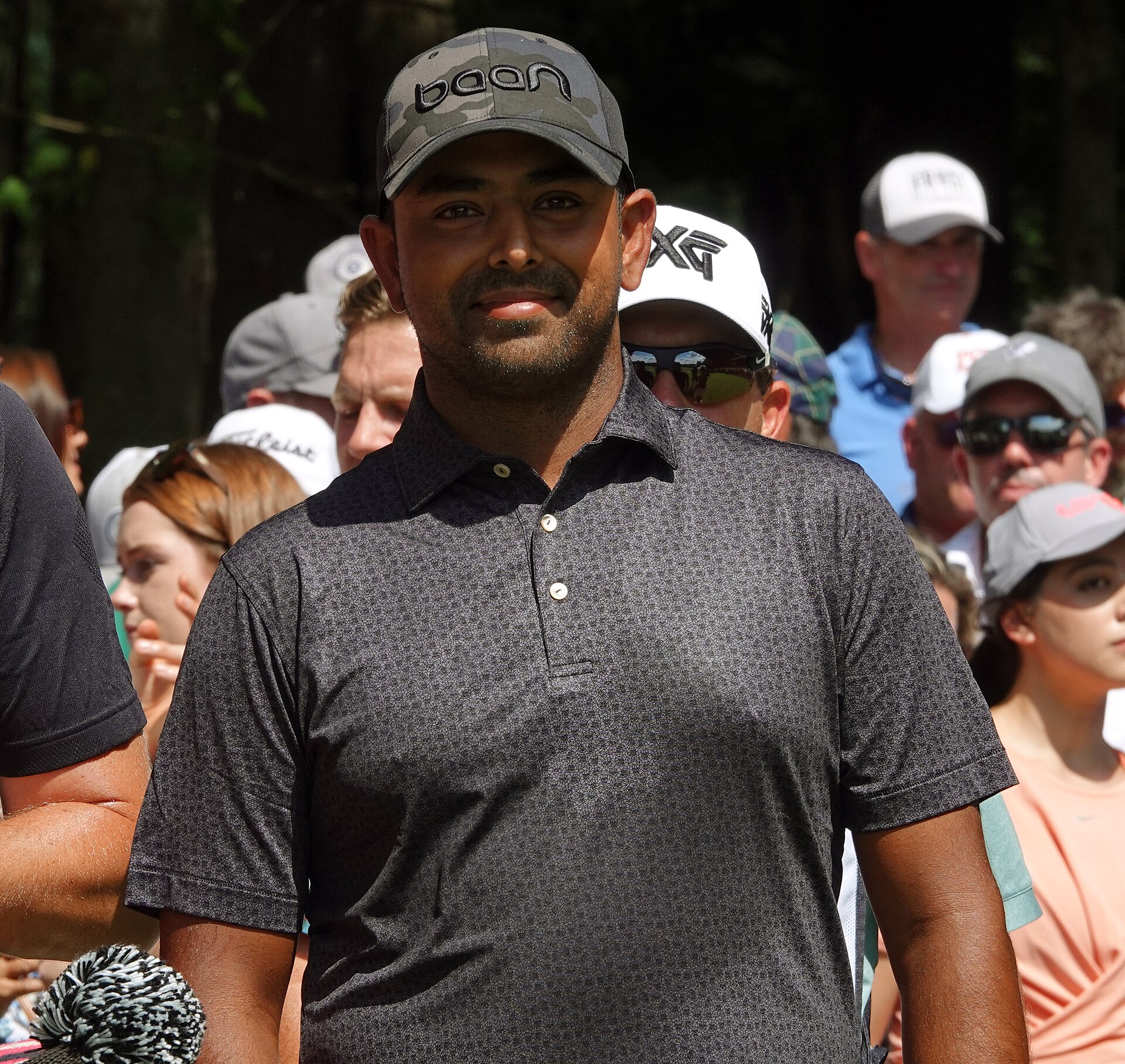
LIV Golf is heading towards bankruptcy court, with liquidation proceedings expected to begin in January 2027, according to analysis published by Guardian Sport's Jonathan Liew.
The collapse comes after Saudi Arabia's government, which bankrolled LIV's rapid rise, abruptly cut off its funding roughly seven months before the Guardian's report was published.
Liew notes the irony that Greg Norman's project, launched amid widespread criticism over Saudi human rights concerns, was ultimately wound down on the instruction of the same Saudi state that created it. Norman himself once remarked, in a different context, that "we've all made mistakes, you learn from those mistakes, and you move forward," a line Liew revives to frame LIV's demise.
With the Saudi money gone, LIV's chief executive, Scott O'Neil, spent recent months seeking fresh investment around Manhattan, presenting revenue forecasts for a venture Liew describes as more aspiration than functioning business.
That search produced a rebranded plan, LIV 2.0, unveiled at a press conference at Trump National in New Jersey. Under the new structure, players would become equity partners in the tour, giving up the guaranteed prize money that had lured many of them in the first place, in exchange for a stake in LIV's future.
Liew points out that many of the same golfers who signed lucrative original contracts, and praised LIV's stated commitment to growing the game, did not take up that equity offer. Instead, most chose to seek a path back to a more financially secure tour.
For Liew, that reversal undercuts years of LIV messaging about innovation and disruption. He argues the project was driven less by any genuine gap in the sport and more by the ambitions of Yasir al-Rumayyan, who oversaw the breakaway and was at one point dubbed the "new king of golf" by sections of the golf and business press.
The piece broadens into a wider critique of golf's relationship with money and status. Liew writes that the sport's codes and customs, from etiquette on the green to clubhouse dress rules, function as much to signal belonging as to govern competition, reinforcing an atmosphere in which wealth is assumed rather than discussed.
He contrasts this with sports that have produced outspoken or activist figures, arguing golf has no equivalent tradition. Rory McIlroy is cited as an example of a player celebrated largely for his affability, including his willingness to play a round with Donald Trump at Trump's own course, an invitation McIlroy reportedly regarded as an honour rather than a political statement.
Liew's conclusion is that LIV's unravelling, far from exposing some unique Saudi overreach, simply confirmed what the sport's structures already implied: that golf, at every level, runs on an unspoken comfort with money that LIV merely made explicit.
With liquidation proceedings now expected to begin in January 2027, attention turns to how many of LIV's remaining players follow the route back towards golf's established tours.
Photo credits
File photo. Photo: JazzyJoeyD · CC BY-SA 4.0 · via Wikimedia Commons · shown in full here; cropped in thumbnails
