 Sport Break News
Ponga's Broken-Arm Comeback Powers Kiwis Into World Cup Final
Kalyn Ponga started New Zealand's Rugby League World Cup semi-final just 23 days after breaking his arm, inspiring a 34-10 win over Tonga that sends the Kiwis into their first men's final in 13 years.
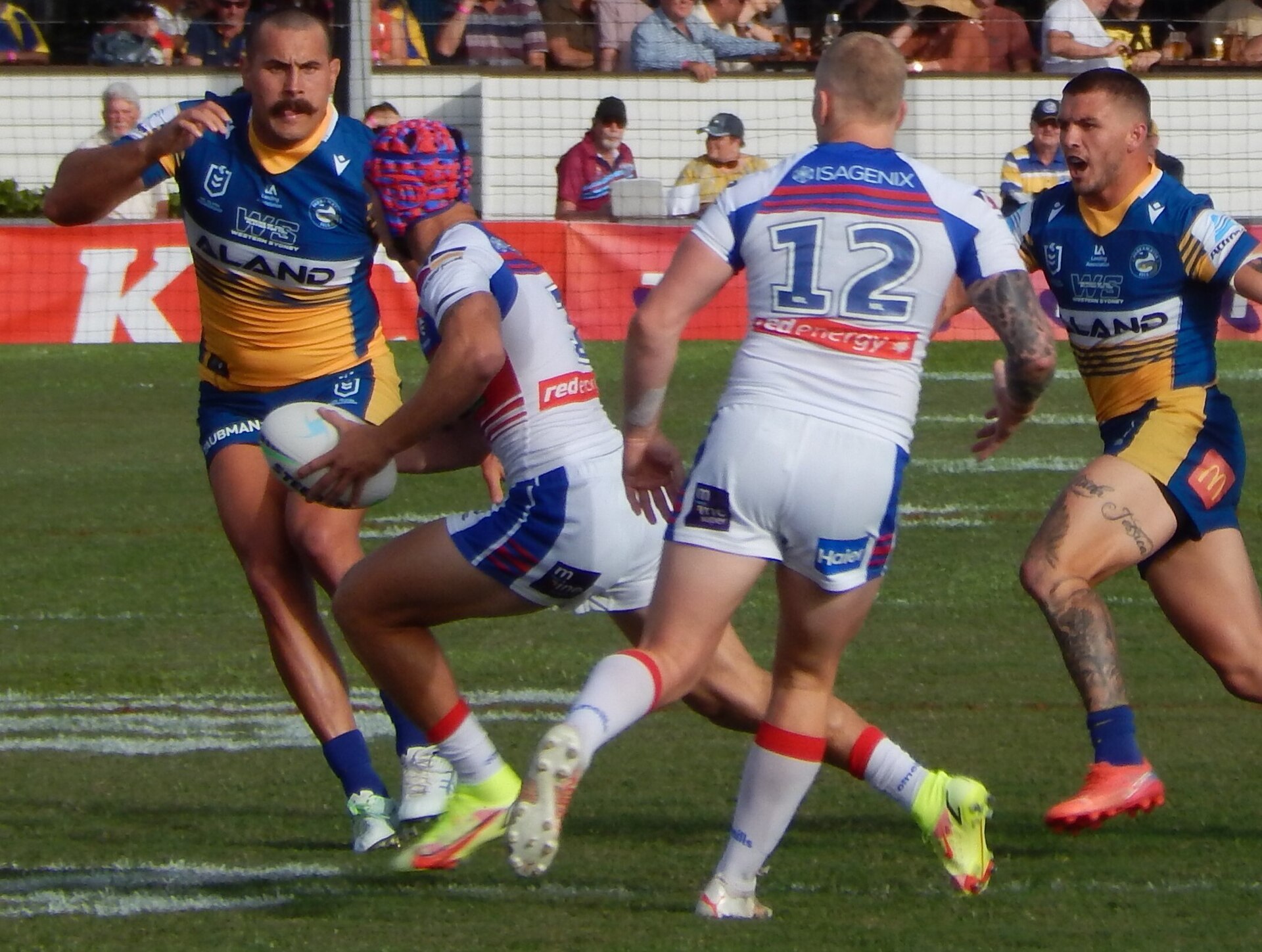
Kalyn Ponga lined up for New Zealand's Rugby League World Cup semi-final against Tonga just 23 days after breaking his arm, and inspired a 34-10 win that carries the Kiwis into their first men's final since 2008, BBC Sport reports.
Ponga broke his left forearm in a tackle with Cameron Munster during New Zealand's tournament opener against Australia in Sydney on 15 October. He played on for 20 more minutes, scoring two second-half tries, before New Zealand lost 24-22 and he underwent surgery.
Head coach Stacey Jones initially named the 28-year-old only as a reserve before shifting him to the interchange bench, yet Ponga ended up starting at full-back against Tonga. "He's a tough character and he was so adamant he was playing," Jones said.
Jones explained that medical staff only cleared Ponga after New Zealand's second-to-last training session. "Where sports science is these days – I saw what he had in his arm, the rod or plate was covering his whole arm," Jones said. "We didn't know until after our second-to-last training that he was going to be all right – he ticked all the boxes. Just a tough person."
Playing with protective bandaging strapped to his forearm, Ponga was directly involved in four of New Zealand's six tries, with his footwork and handling setting up scores for Briton Nikora, Casey McLean and Xavier Willison. He also got the better of opposite number Lehi Hopoate, clearing out the Tonga full-back as he fumbled a grubber kick to help create a try for Dane Gagai.
Ponga's night also featured a try-saving defensive hit on Demitric Vaimauga. Captain James Fisher-Harris praised the display, calling him "the defensive mindset he had tonight, he saved a couple of tries. That's what I love about KP."
Fisher-Harris added that Ponga's value went beyond his tries. "He's a freak of nature. His leadership skills are underrated. He's really good for us, our spine especially," he said.
New Zealand's win was not built around Ponga alone. Gagai forced a knock-on that sparked the counter-attack leading to McLean's try, Jahrome Hughes added directness in attack, and Jamayne Isaako converted five of six attempts despite difficult winds, taking his tournament tally to 36 from 38 attempts.
Asked whether this squad represented New Zealand's best chance of a second title since their 2008 triumph, Fisher-Harris replied simply: "Yes." He went on: "We're just trying to chase history." He added separately: "We've only done it once but we've been building with this squad, this generation, for the past six or seven years."
The contest was tight for 48 minutes before New Zealand pulled away, scoring two tries in five minutes to stretch their lead to 14 points as conditions in Newcastle worsened, with heavy wind and rain disrupting both sides in the second half.
Tonga head coach Kristian Woolf did not blame the weather for the defeat, saying his side "didn't handle the conditions as well as they did". He added: "It was a disappointing way to finish. Whoever was against the wind in the second half was going to find it tough and we just had to handle it better."
Woolf, whose side had been unbeaten through the group stage, acknowledged a missed opportunity. "It's a bit of a missed opportunity with what the group's been able to do, how talented the group is, some of the footy we've played, but we just couldn't get it done tonight," he said.
He struck a more positive note on Tonga's progress, playing in only their second-ever World Cup semi-final. "Once upon a time, we were just happy to be in the finals and be competitive. Now, we see ourselves as real players and believe we can win it," Woolf said. He added: "We thought we could do that tonight. We certainly think we've got a team that is capable of doing that. Tongan rugby league can be really confident going forward."
New Zealand's women also reached their final with a 32-0 win over Samoa, remaining unbeaten through the tournament and having conceded just 24 points across four matches. Stacey Waaka scored a hat-trick, taking her tally to nine tries in four games.
The last time New Zealand had both men's and women's teams reach finals on Australian soil was 2008, when both sides lifted the trophy — a maiden title for the men and a third straight crown for the women. Neither side has won since, having lost a combined four finals in the years that followed.
Both New Zealand teams will play their finals in Brisbane next Sunday, with the women facing either three-time defending champions Australia or Fiji.
Photo credits
File photo (2021). Photo: RegionalQueenslander · CC BY-SA 4.0 · via Wikimedia Commons · shown in full here; cropped in thumbnails
