 Sport Break News
Inside the prison gyms and marathon plans trying to cut UK reoffending
From rowing machines to marathon training, sports projects inside prisons in England and Wales are being credited with building purpose and community ahead of release, Guardian Sport reports.
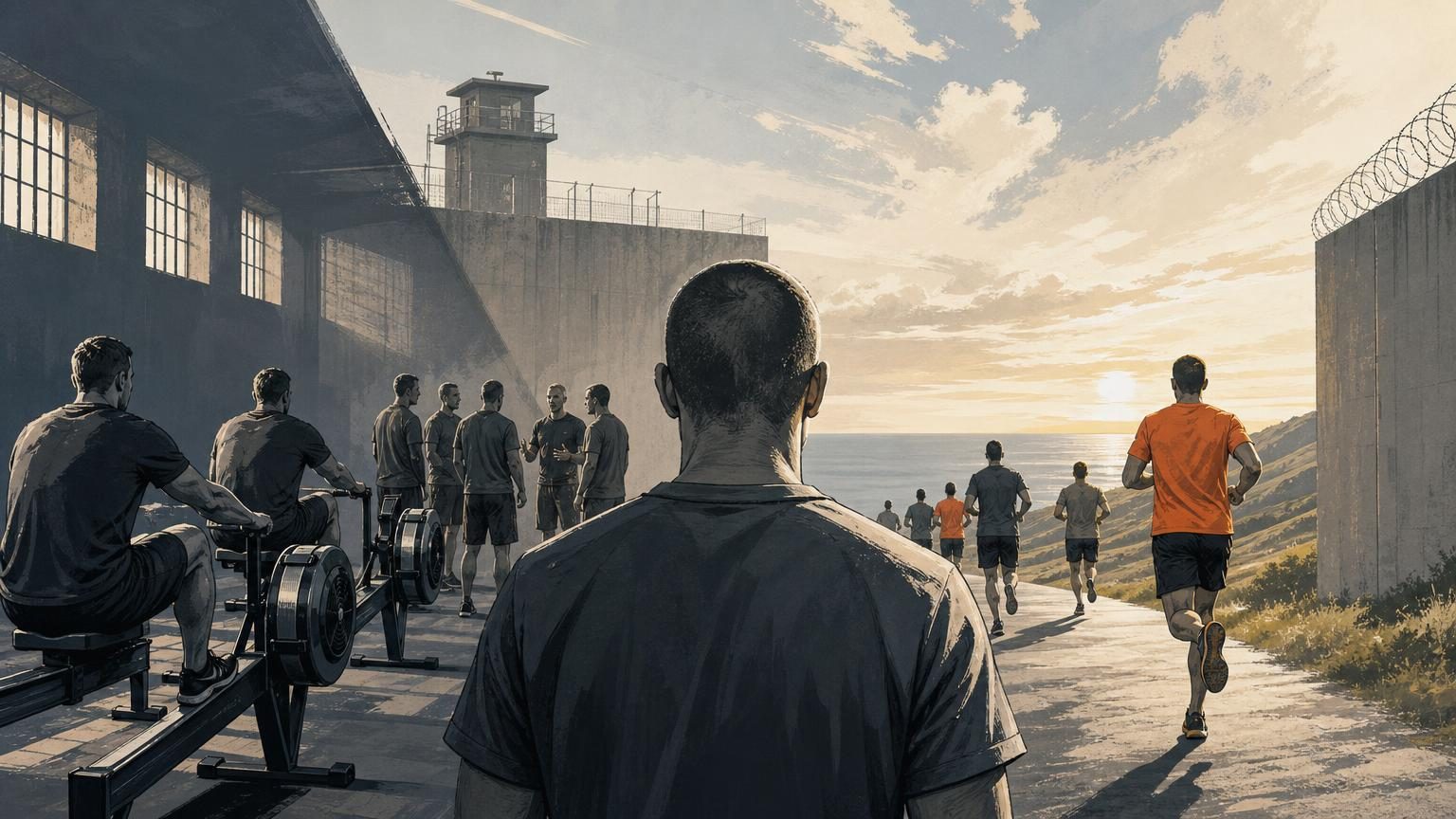
Sports mentoring and fitness programmes inside prisons in England and Wales are being put forward as a genuine tool against reoffending, according to reporting by Guardian Sport's Cath Bishop.
The piece notes that on the day 700 prisoners were released early, public debate focused almost entirely on tagging as a safeguard, with little attention paid to rehabilitation schemes already running inside jails.
Charlie Taylor, HM chief inspector of prisons for England and Wales, used his annual report to stress that prisoners need far better access to gyms and physical activity, Bishop writes.
Twenty-five prisons and young offender institutions currently host parkrun sessions, which research cited in the piece links to improved mental and physical health, stronger self-esteem, a greater sense of purpose and a non-judgmental space in which participants feel respected.
A new scheme called Prison Run, fronted by former Ironman world champion Chrissie Wellington, will train 20 men and women from three prisons who are nearing release to attempt the 2027 London Marathon.
Most of those taking part have never run more than a few miles, and mentors will coach them from their first runs through to marathon distance, working across time in custody, temporary release days and the period after discharge, with the project also aiming to link participants to employment and community support.
John McAvoy, a Nike-sponsored triathlete who set world indoor rowing records while serving a sentence for armed robbery, is part of the coaching team and described the project as a chance to break a cycle in which 67.1% of adults released from sentences under 12 months go on to reoffend.
"Everyone deserves a second chance," McAvoy said, adding that people often just need someone to believe in them, and that he intends to run alongside participants during the event.
The 180 Project, which Taylor's report also praised, runs CrossFit sessions inside prisons and then links people to housing, life-coaching and other support once they are out, built around the gym as a base.
Bishop, who ran an indoor rowing masterclass with the group, described meeting prisoners nearing the end of their sentences who were eager for technical advice on pacing and keen to build what she called a shared language and outlook for life after release.
One former prisoner who left four months ago, and who had cycled in and out of custody since the age of 15, told Bishop the project had helped him build self-awareness and become a better person able to see his own potential, after finding what he described as a community of people "all dealing with something".
Lindsey Middleton, co-founder of 180 Project, told Bishop that participants become physically, mentally, emotionally and socially better connected through the work.
Beyond individual prisons, the Alliance of Sport in Criminal Justice, led by James Mapstone, links grassroots sports groups with academics and government bodies to build evidence on how sport reduces crime, and the organisation's standing has grown to the point where the International Olympic Committee, with funding from the French Development Agency, asked it to design a youth crime prevention programme reaching tens of thousands of young people across several south-east Asian countries including Laos, the Philippines, Thailand and Vietnam.
IOC president Kirsty Coventry has made that strand of work a priority since taking office, pushing sport's potential to build safer and stronger communities, the article notes.
A recent poll by the Forward Trust, a charity supporting people recovering from addiction and leaving crime behind, found strong public backing for rehabilitation programmes, which Bishop argues strengthens the case for scaling up sport-based schemes at a moment of acute pressure on the prison system.