 Sport Break News
Fury: I heard voices and thought the Illuminati were coming for me
Tyson Fury has detailed a schizophrenia and bipolar disorder diagnosis dating back to his breakdown after beating Wladimir Klitschko, in a new Netflix documentary reported on by BBC Boxing.
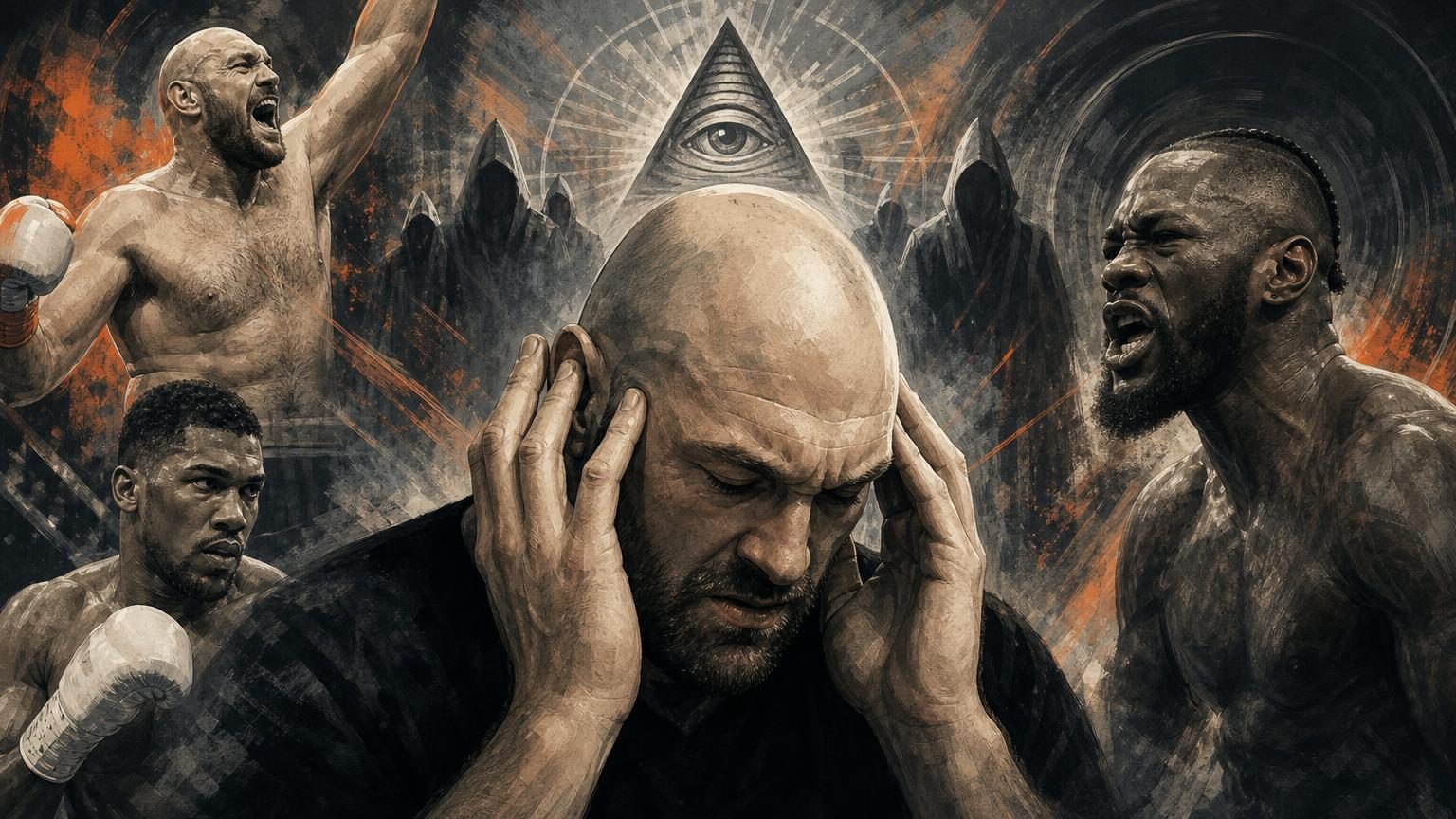
Tyson Fury says he was diagnosed with schizophrenia shortly after his 2015 world title victory over Wladimir Klitschko, having heard voices in his head threatening him and his family, BBC Boxing reports.
The 38-year-old heavyweight, who fights Anthony Joshua in Cardiff on 11 December, gives the account in a documentary being released by Netflix on Friday, in which he and wife Paris describe the aftermath of his admission to hospital with a suspected heart attack in June 2016.
Doctors at the time concluded Fury had suffered an anxiety attack, but he says a London psychiatrist later identified a wider problem after a lengthy assessment, during which he says he "ticked all the boxes" for depression, anxiety and bipolar disorder.
Fury recalls hearing the radio talking to him in hospital and pleading with Paris to get him out because "the Illuminati" were after him.
He describes the period as the darkest of his life, saying he feared ending up locked in a padded room and that the experience felt, in his words, like living through hell.
The voices became so persistent, he says, that he struggled to hold an ordinary conversation without hearing things in his own mind, and for years he found no way to escape it.
Fury says the breakdown followed severe weight gain and an addiction to drugs and alcohol in the wake of the Klitschko win, a period in which he says he simply wanted to feel normal again.
Doctors confirmed schizophrenia and bipolar disorder once he had left hospital, according to the documentary account. The NHS describes schizophrenia as a form of psychosis whose symptoms can include hallucinations, delusions and muddled thoughts and speech, and lists extreme mood swings as the main feature of bipolar disorder.
Fury identifies a Halloween night out in 2017 as a turning point, recalling his embarrassment at his appearance in a glow-in-the-dark skeleton costume while out among younger people who had no such struggles.
Looking at them, he says, he reflected that he had once had the world in his hands and thrown it all away, reduced to what he calls "a fat mess addicted to alcohol".
He says that moment marked the start of a recovery built around refocusing on his family and returning to training, a comeback that culminated in a world title win over Deontay Wilder in 2020.
Fury is now preparing to face fellow Briton Anthony Joshua in the long-delayed all-British heavyweight clash, which takes place in Cardiff on 11 December and will be shown live on Netflix.