 Sport Break News
Hamilton's Gaza visit underlines F1 star's lone voice as US athletes fall quiet
The seven-time champion toured the Rafah crossing during Formula One's week off, reinforcing his role as sport's most outspoken activist while American stars retreat from politics.
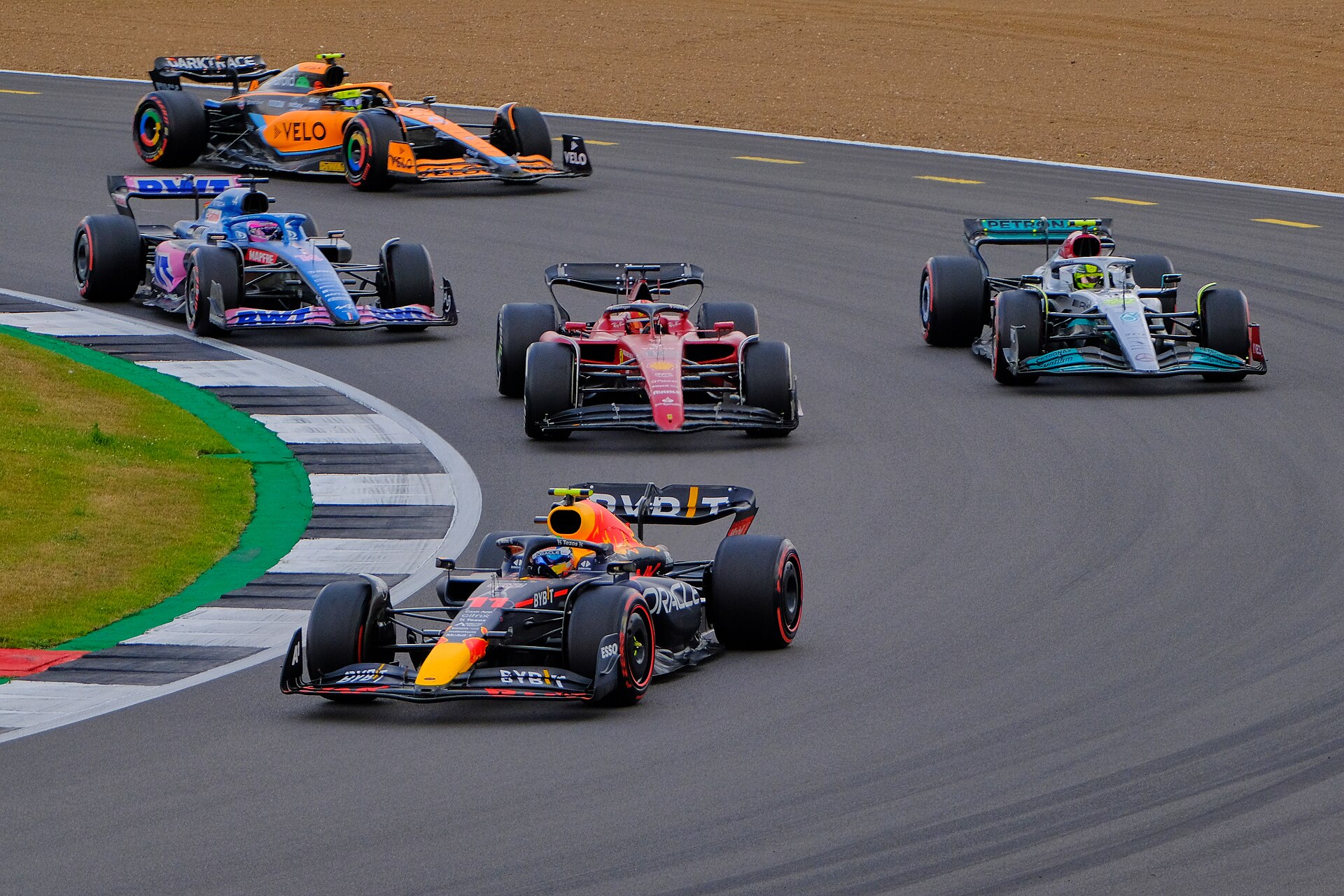
Lewis Hamilton spent Formula One's break between races at the Rafah border crossing rather than relaxing before this weekend's Las Vegas Grand Prix, according to Guardian Sport.
He met aid workers there, communicating in Arabic, before inspecting Egyptian Red Crescent warehouses in El-Arish, where relief supplies are readied for distribution to Gaza.
The trip fell on a day when Israeli strikes and gunfire killed at least seven Palestinians in Gaza, part of a death toll that has passed 74,000 over three years of war.
Hamilton described the trip on Instagram, writing: "The past three years of Israel's genocide in Gaza is appalling."
In a separate line from the same post, he added: "I know so many people that feel that same helplessness. That same need to do something rather than watch. I don't want us to get used to their suffering. I don't want us to look away."
The gesture lands as Formula One returns to the US this weekend, placing Hamilton's activism in front of an American audience that has watched many of its own sporting figures soften political rhetoric during Donald Trump's second term.
Hamilton's standing is unusual: the Guardian contrasts him with Colin Kaepernick, who never matched Hamilton's sporting achievement, and with LeBron James, who has pulled back from political statements under the current administration.
As the only Black driver in Formula One's history and a seven-time world champion, Hamilton has built a profile that stretches well beyond the paddock, including part-ownership of the Denver Broncos.
That profile was visible during the 2020 and 2021 seasons, when drivers wore 'End Racism' shirts and observed a pre-race silence, with Hamilton and Sebastian Vettel among the most consistent to kneel.
Vettel explained his own stance to the Guardian: "There was never a second of doubt in my head [about kneeling], first and foremost out of respect for Lewis, and to support him, and the message." He added separately: "That's why I was happy to kneel."
Hamilton has also been willing to criticise Trump directly. After the president targeted kneeling NFL players in 2017, Hamilton responded: "I think it is open for anyone to have freedom of speech, and I guess we can all play a role in trying to make a difference in the world – particularly if your leader is not helping in that area."
Three years later, following the killing of George Floyd, Hamilton said Trump had "turned off the lights and hid in his bunker" during the unrest that followed.
His influence has reached beyond his own cockpit. Bubba Wallace, Nascar's most prominent Black driver, has pointed to Hamilton as inspiration for pushing his sport to address racial inequality.
Hamilton told Time in 2025 that he intended to keep backing diversity initiatives even as organisations scaled them back under pressure from the Trump administration's opposition to DEI programmes.
He co-founded the Hamilton Commission in 2020 to examine why Black representation in UK motorsport and Stem careers remained so low; its 2021 findings estimated that fewer than 1% of the Formula One workforce came from Black backgrounds.
That work led to Mission 44, the charity Hamilton launched and funded with a personal pledge of £20m to support underrepresented young people in education and employment, not solely those chasing motorsport careers.
By 2026, seven scholars from the programme were working in motorsport, five of them inside Formula One teams.
Nineteen years after Hamilton broke into Formula One as its first Black driver, the grid now includes French-Algerian Isack Hadjar, Thai-British Alex Albon and British-Indian Arvid Lindblad, with Black American Ugo Ugochukwu — the reigning Formula 3 champion — reportedly set to drive Cadillac practice sessions in 2027.
Photo credits
File photo (2022). Photo: fuji.tim · CC BY-SA 2.0 · via Wikimedia Commons · shown in full here; cropped in thumbnails
