 Sport Break News
NWSL scraps 'Rodman Rule' eligibility list after union settlement
The NWSL and its players' union have settled six grievances, stripping back the restrictive criteria behind the league's High Impact Player rule and resolving the dispute sparked by Trinity Rodman's contract saga.
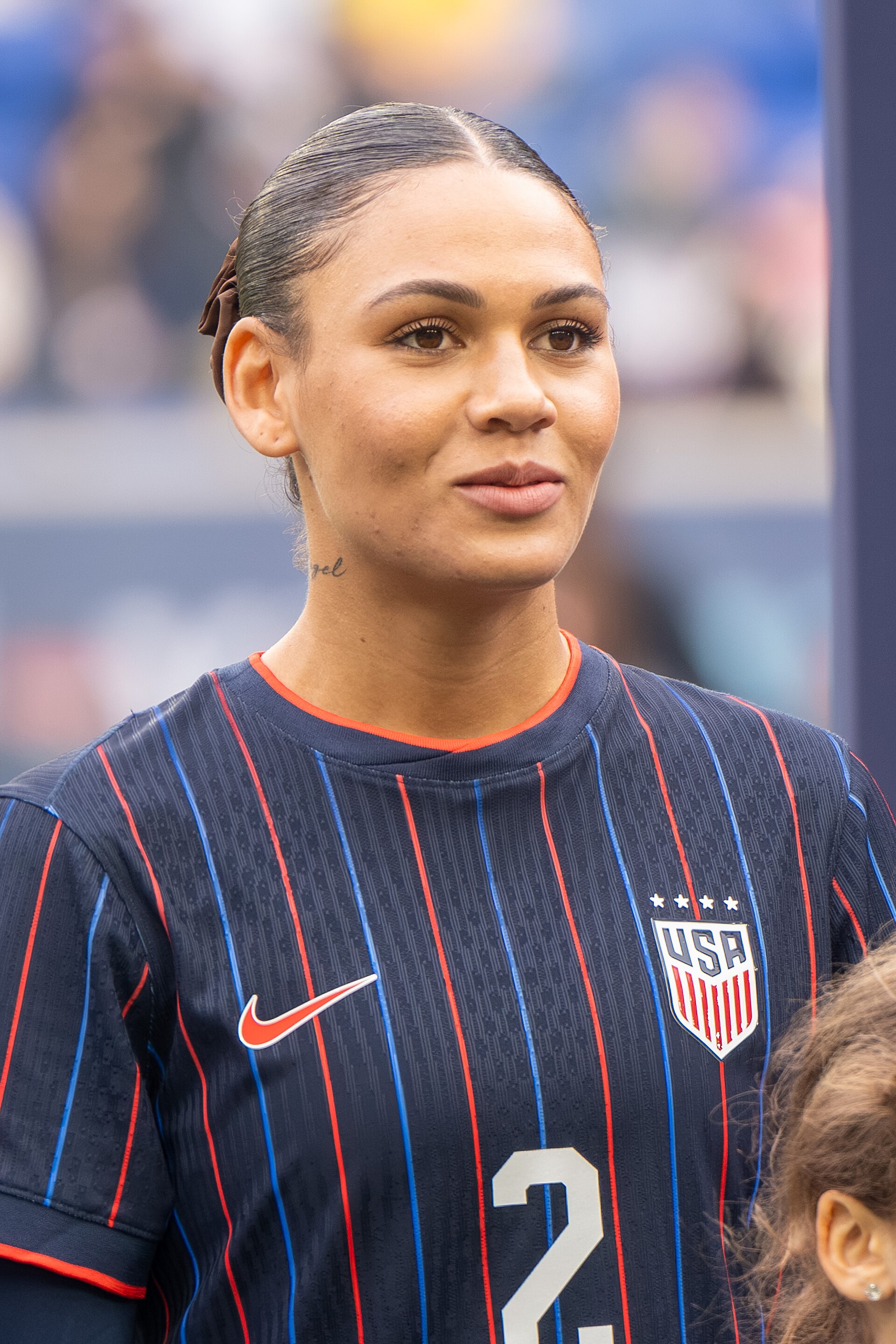
The NWSL and the NWSL Players Association have agreed a settlement that scraps the restrictive eligibility criteria attached to the league's High Impact Player designation, according to Guardian Football.
The rule, introduced last December, lets clubs spend an extra $1m above the salary cap to sign star players. Under the original version, players had to meet one of eight criteria to qualify, covering things like US national team minutes, Ballon d'Or recognition, NWSL Best XI honours and inclusion on media rankings such as the Guardian's Top 100 or a marketability list.
The NWSLPA argued that sorting players into tiers this way breached federal labour law and the existing collective bargaining agreement, and filed a grievance over it.
Guardian Football reports that around 100 players had qualified under the old criteria, a group that included Trinity Rodman and Sophia Wilson at the time the rule launched but would have left out two-time NWSL MVP Sam Kerr and US international Catarina Macario.
From 1 January 2027, clubs will be free to designate any player as a High Impact Player provided their salary reaches at least 12% of the base salary cap, which stood at $3.7m for the 2026 season. The league retains the right to cap how many High Impact Players each club can carry.
Six grievances were resolved in total, including one tied to the Washington Spirit's rejected contract offer for Rodman and another concerning the league's footwear policy, which had restricted which boot brands players could wear on the pitch.
NWSLPA executive director Meghann Burke told ESPN, which first reported the settlement, that it reflected "the NWSLPA's strength and commitment to enforcing the terms of the Collective Bargaining Agreement."
NWSL executive vice-president Bill Ordower said in a statement that "disagreements are a natural part of any mature labor relationship, particularly in a league that is growing and evolving as quickly as ours," adding that "what matters is how you work through them." He said the agreement gives clubs and players "greater clarity and certainty moving forward, while protecting the integrity and competitive balance that is fundamental to the NWSL."
The High Impact Player mechanism picked up the nickname the "Rodman Rule" because its arrival coincided with Rodman's drawn-out contract standoff with the Spirit last offseason, as she fielded lucrative offers from European clubs operating without a salary cap.
In November, before the rule existed, the Spirit tried to re-sign Rodman on a deal averaging more than $1m a season, but commissioner Jessica Berman blocked it, ruling that its backloaded structure broke league rules. The NWSLPA grieved the decision on Rodman's behalf, calling it a "flagrant violation" of free agency rights.
Weeks after that grievance, the league brought in the High Impact Player rule. Rodman ultimately re-signed with the Spirit in January on a deal worth more than $2m annually, though the union's grievance over the original rejected contract stayed open until this settlement.
Several players who would have met the old criteria have since signed or re-signed under the mechanism, including Denver's Lindsey Heaps, Orlando's Barbra Banda and Gotham's Rose Lavelle, though clubs are not obliged to confirm which contracts used the designation.
The league keeps the power to reject contracts on salary cap grounds, but must now notify the union within 72 hours and explain its reasoning. Clubs will also receive regular salary cap and revenue updates from the league through the year.
On footwear, the settlement commits the league to honouring most players' existing endorsement deals and withdrawing fines previously issued for wearing non-sponsor boots during matches.
Photo credits
Photo: Bryan Berlin · CC BY-SA 4.0 · via Wikimedia Commons · shown in full here; cropped in thumbnails
