 Sport Break News
Portugal Face Life After Ronaldo as Brand Worth €850m Walks Away
Cristiano Ronaldo's 23-year international career has ended, and Portugal's first game without him arrives on Saturday against Denmark in Braga.
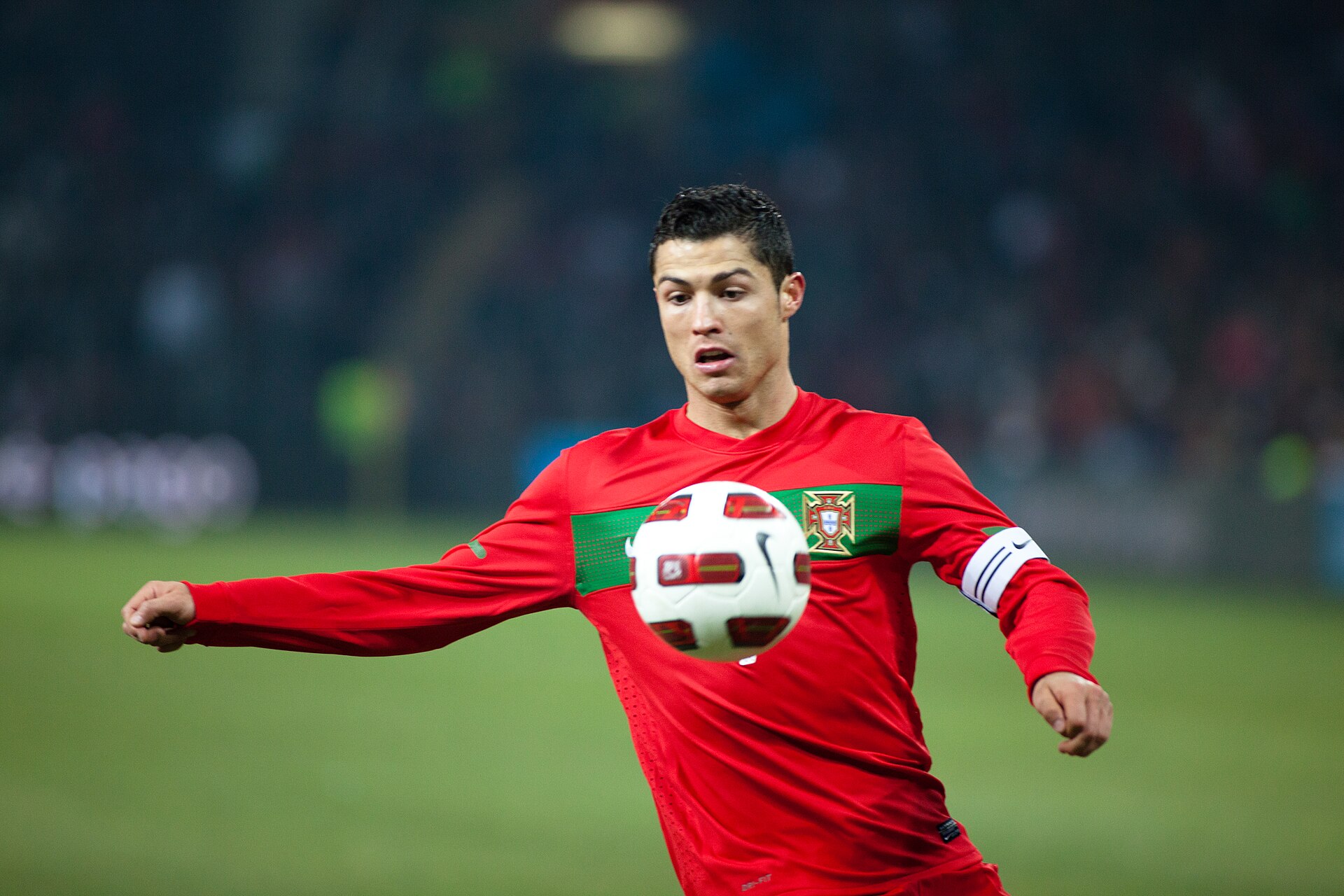
Portugal's long association with Cristiano Ronaldo has come to an end after 234 caps and 146 goals, and the national team now face their first fixture without him when they host Denmark in Braga on Saturday, according to Guardian Football.
The scale of what Portugal are losing extends well beyond a footballer, the outlet reports. Daniel Sá, executive director of the Portuguese institute of marketing administration, told Guardian Football that Ronaldo's personal brand is currently valued at €850m (£710m), adding that "most of the world watched Portugal's matches because of Cristiano Ronaldo" from a marketing perspective.
Leonel Pontes, who mentored a young Ronaldo at Sporting's academy, later coached him as Portugal assistant manager, and now works as technical director at Shanghai Shenhua, said he still encounters Ronaldo's fame daily in China. He told Guardian Football he had recently visited an exhibition dedicated to Ronaldo's career in Shanghai, and said the player's exit from the national side "wasn't handled properly", with "mistakes on both sides" between player and coach meaning Portugal "missed an opportunity to pay tribute to everything he has given us".
The squad left behind is not short of quality. Vitinha, Bruno Fernandes, João Neves, Nuno Mendes and Diogo Costa all feature among a group Guardian Football describes as packed with technical and tactical ability.
Petit, who played alongside Ronaldo for Portugal between 2003 and 2008 and now manages Santa Clara in the Azores, said that talent now has to carry the responsibility Ronaldo once shouldered alone, telling the outlet that some established players may be facing their last realistic chance of international success while a younger generation emerges behind them.
Pontes, who also assisted Paulo Bento with the national side between 2010 and 2014, praised Ronaldo's willingness to play through injury and fatigue for Portugal, saying "he was always there" and "always gave his best".
Dany Mota, the Monza forward who trained alongside Ronaldo at both Juventus and with the national team, described arriving early at the Juventus training ground to test a reputation he had heard about, only to find Ronaldo already in the gym. Mota said Ronaldo would still be swimming, running or lifting weights after demanding days when others might lose motivation, calling him "a machine" with "an endless love for the national team".
Guardian Football traces Portugal's long wait for major honours back through the so-called Golden Generation of Luís Figo, Rui Costa and João Pinto, who reached the Euro 2000 semi-finals before a young Ronaldo featured in the lost Euro 2004 final on home soil against Greece.
Maniche, who was in that losing dressing room, told the outlet that Ronaldo had a particular capacity to convert that disappointment into improvement, a mentality he said has sustained Ronaldo's career at the top level for so long.
That frustration eventually turned to triumph when Portugal won the Euros, with Ronaldo at the heart of what Guardian Football calls the defining moment of his international career, even though he was forced off during that final.
Portugal now carry that history into Saturday's meeting with Denmark in Braga, their first competitive step into an era defined by the absence of the player who shaped the national side for more than two decades.
Photo credits
File photo. Photo: Ludovic Péron · CC BY-SA 3.0 · via Wikimedia Commons · shown in full here; cropped in thumbnails
